



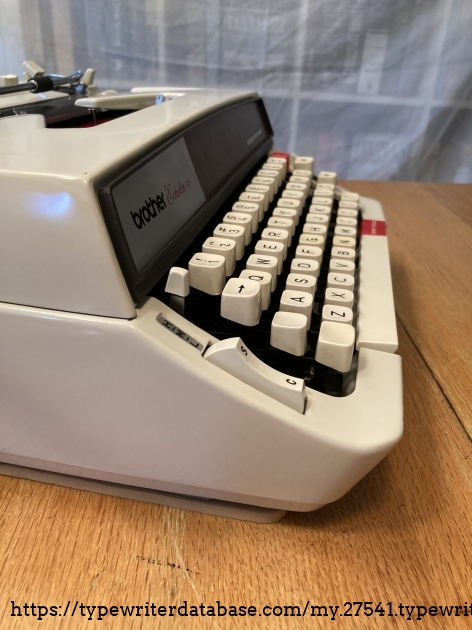
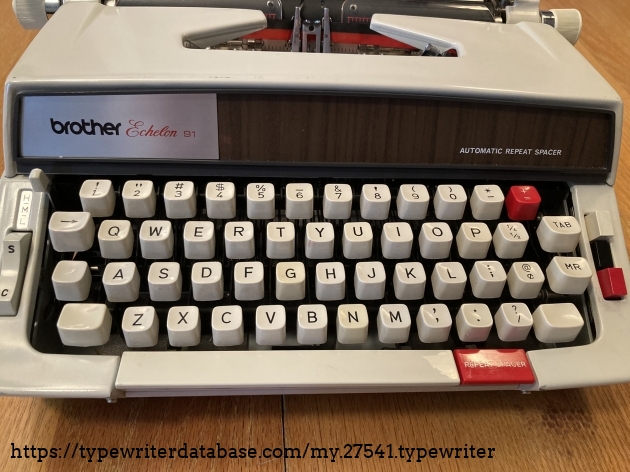
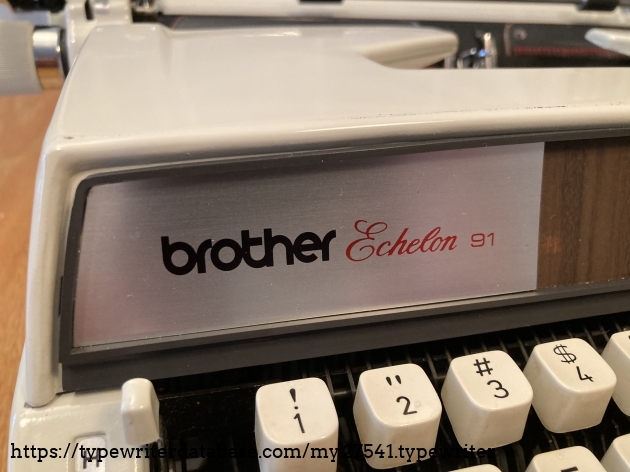
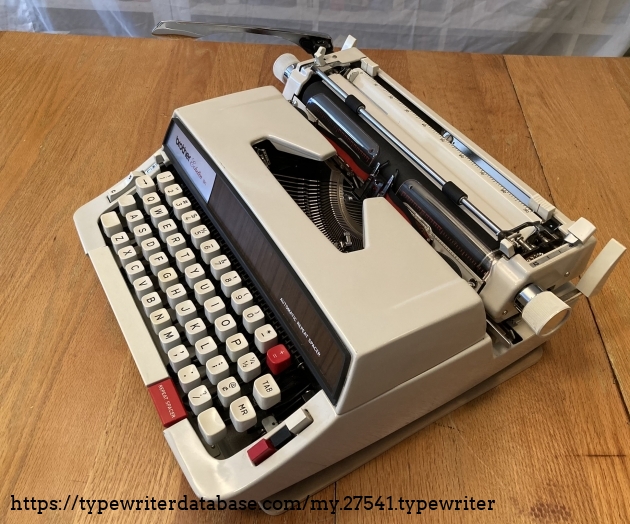
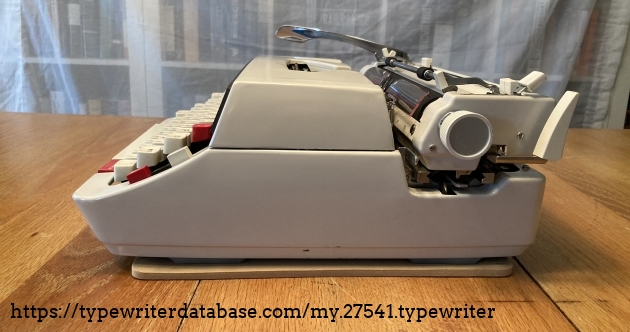
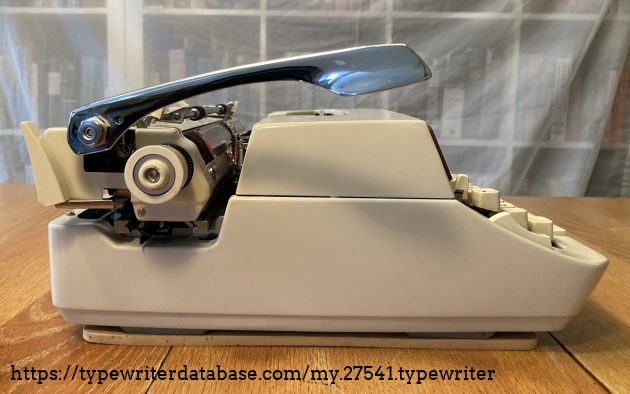
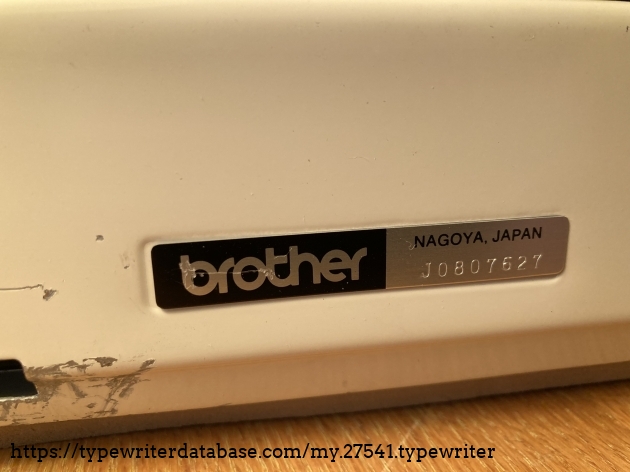
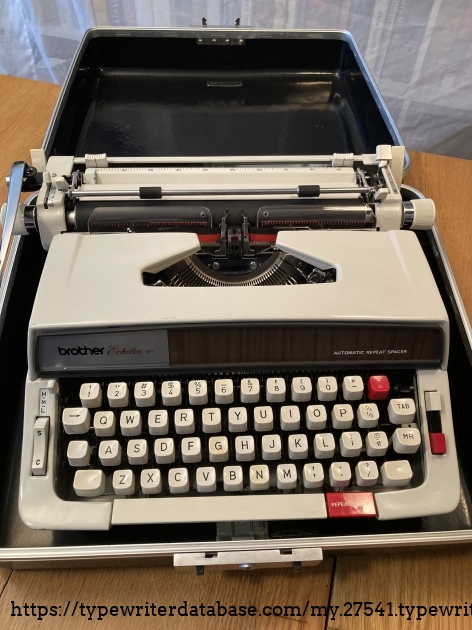
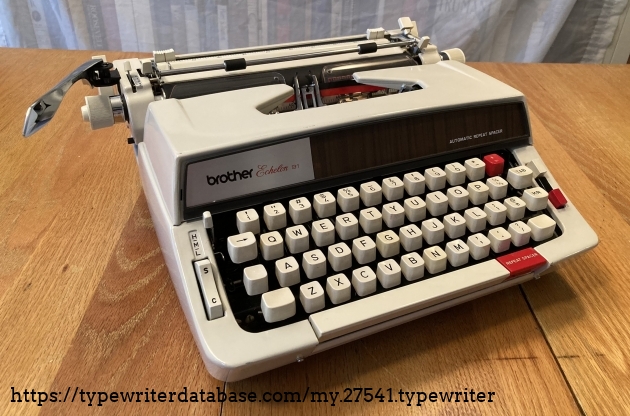
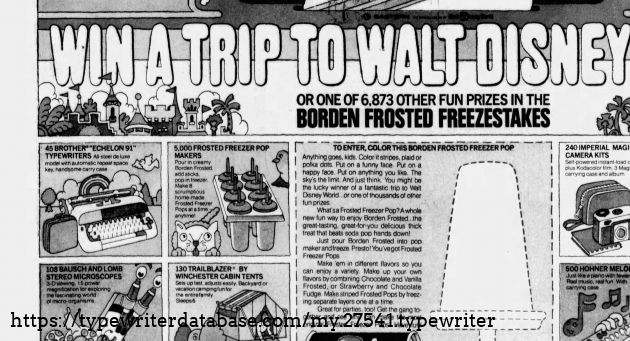
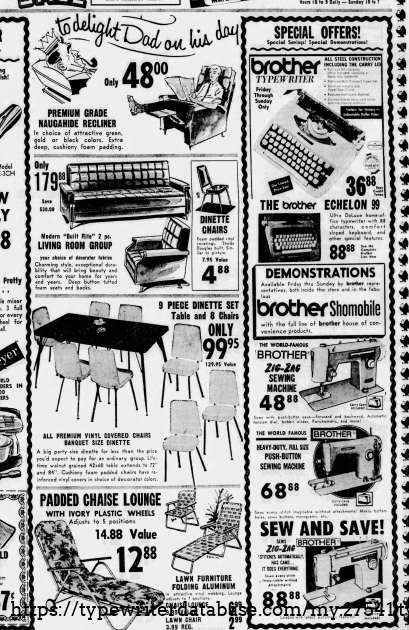
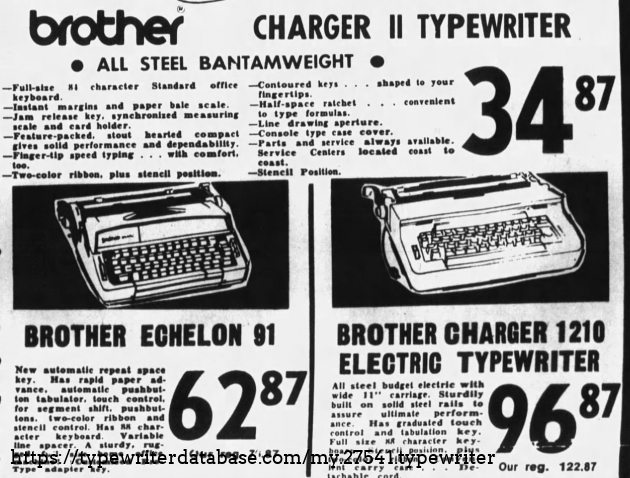
1970 Brother Echelon 91 #J0807627
Status: My Collection
Hunter: James Grooms (jgrooms)
Created: 02-27-2026 at 03:00PM
Last Edit: 06-14-2026 at 01:07PM
 Find on Ebay #AD
 Find on Etsy #AD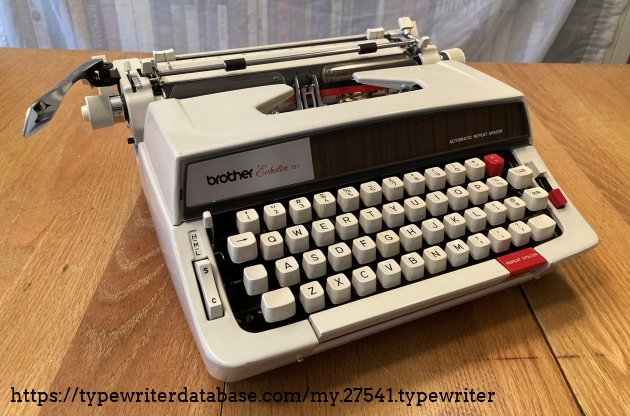
Description:
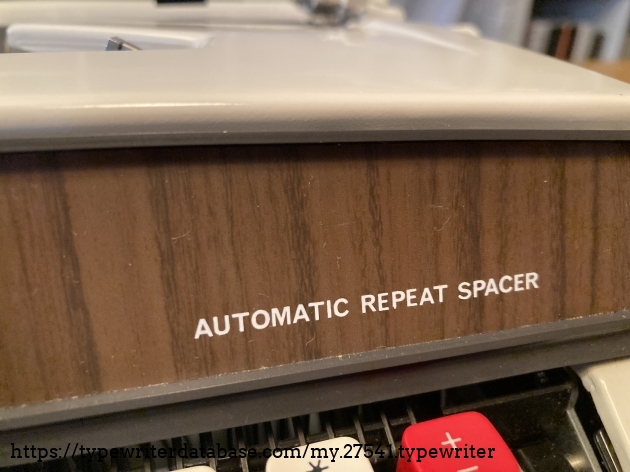
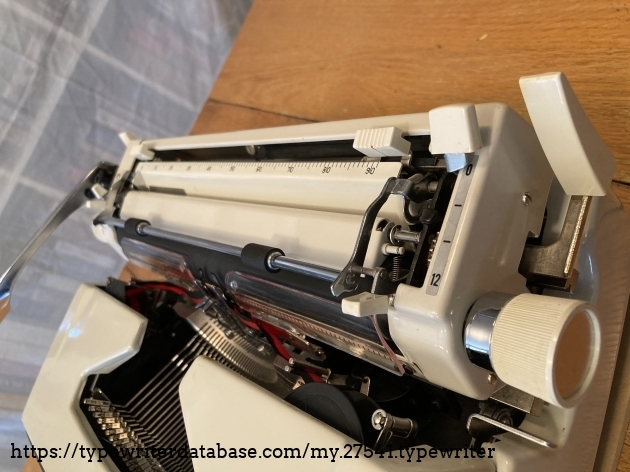
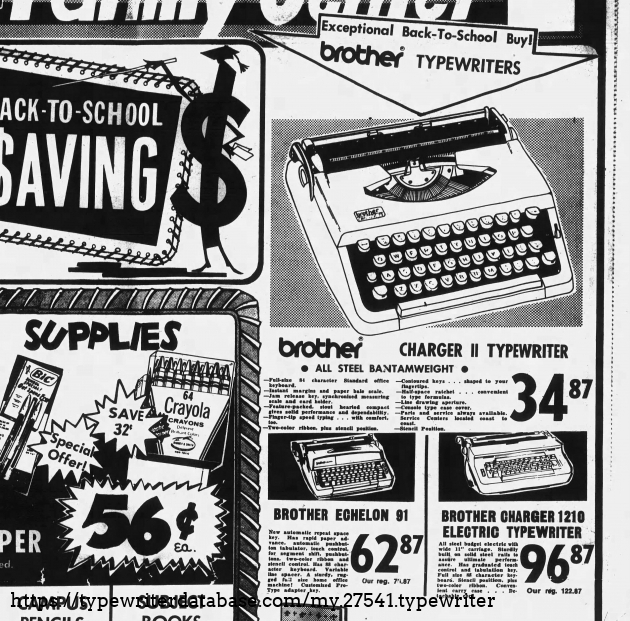
This version of the JP-3 was introduced in 1970 and done by 1972. The differences from the previous JP-3s are the repeat spacer and clear card guide. Some of the MW Signature models didn't have a paper injector.
The JP-3 was first offered as a Ward's Signature 088 and the Brother Deluxe 900. There was also a 13 in carriage model with only the Brother label on it.
These machines are serious builds using top-notch materials. Unless they have been abused, the rubber is almost always good, and the fit and finish are outstanding.
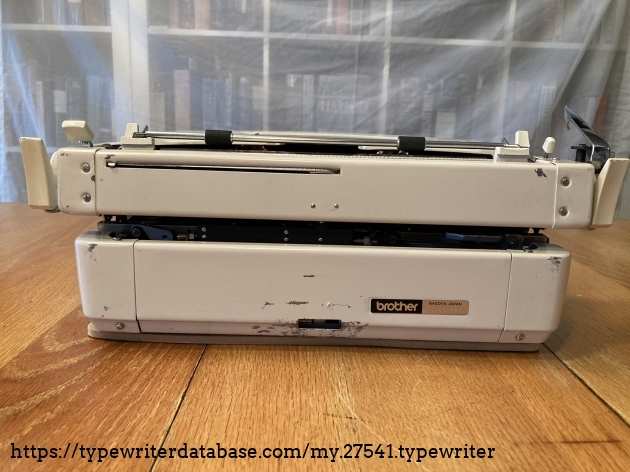
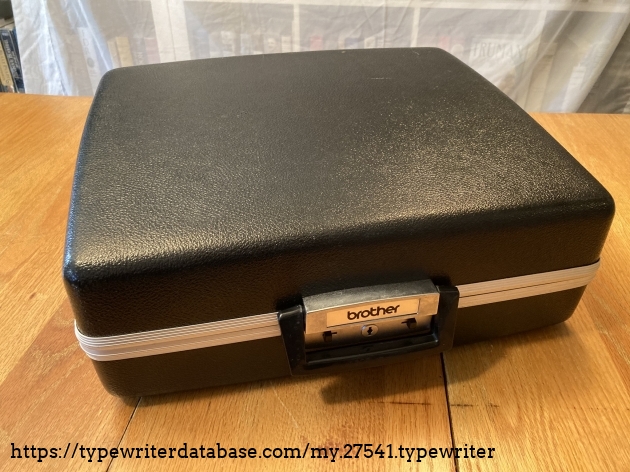
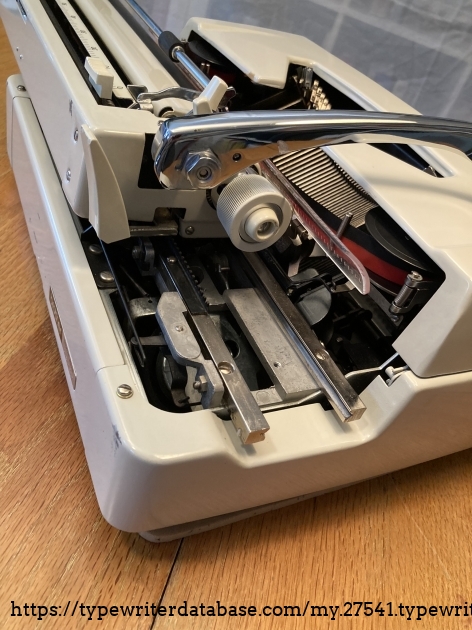
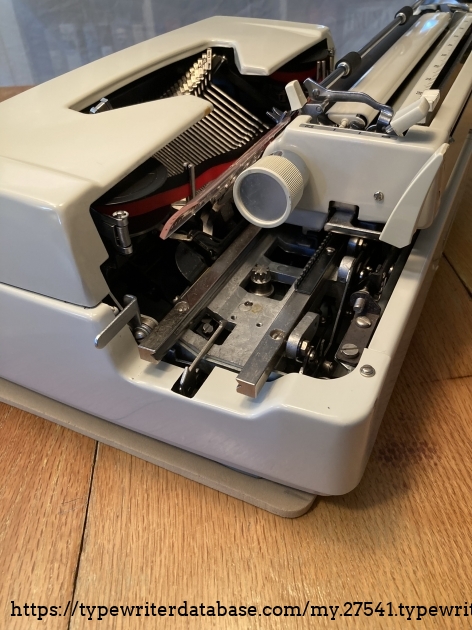
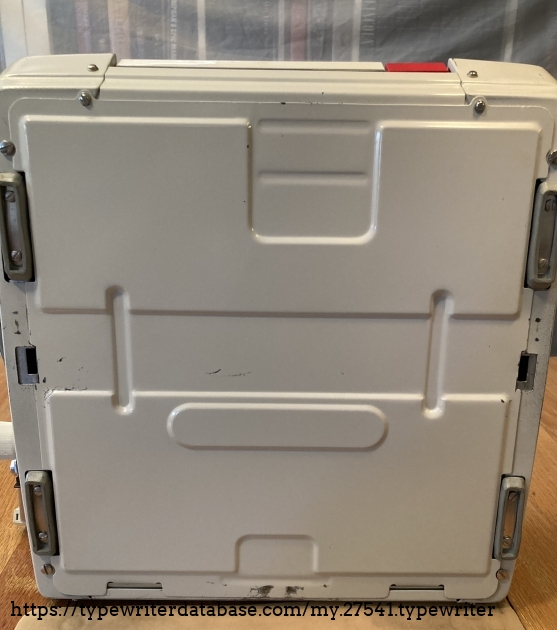
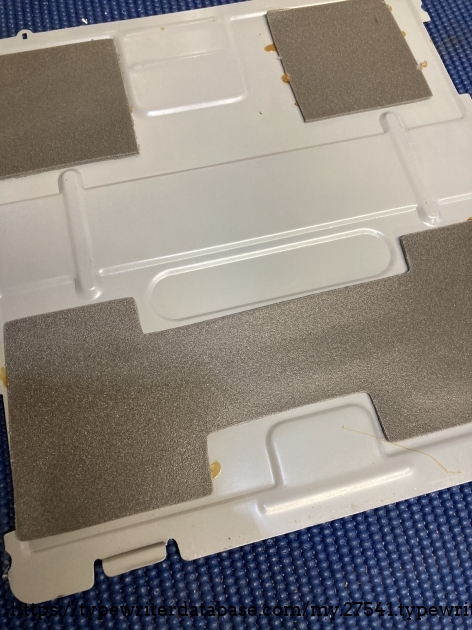
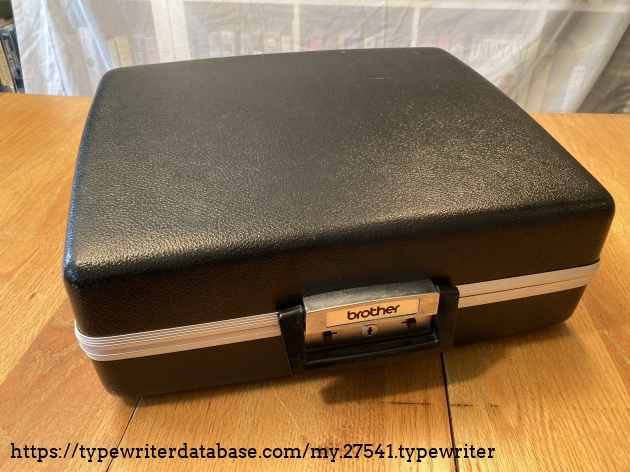
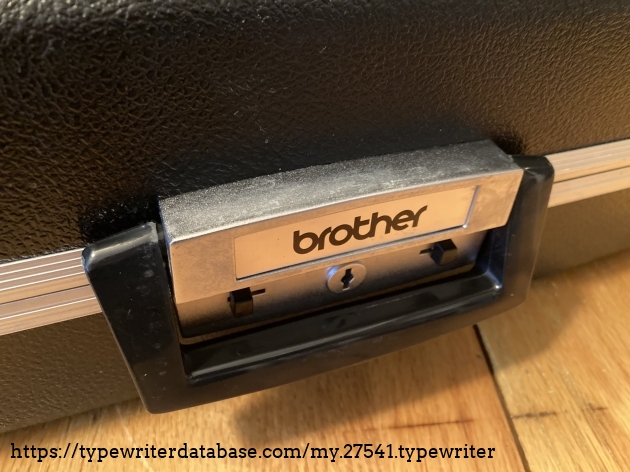
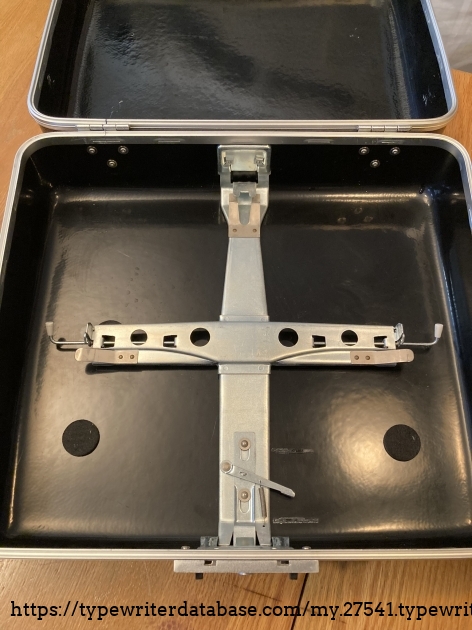
This one was barely used. Note the image of the lower cover as it was removed. There wasn't a bit of debris. The only issue was that the machine had not been secured in the case at some point. This scratched up the rear, and the latch parts were bent up a bit. This was a simple fix. After a quick mineral spirits clean and blow out, she's ready to go!!!
How does it type? Unfortunately, these JP-3s are just heavy in their action. And to get a fast typebar return, you have to dial up the tension setting. Add to this a heavy segment spring, and the machine just falls short.
The carriage return, which is easy to adjust, is solid. The rest of the controls are also top notch.
I have been waiting for another low-mileage machine to compare to my MW 510 and see if they perform the same, which they do.
I have had some 'tuning' ideas I wanted to try with a side-by-side comparison. First up, the segment spring should be easy. I couldn't come up with a suitable match that would work, so I stretched the original just a tad. This has lessened the shift a bit. I might do some more digging for a spring that might work.
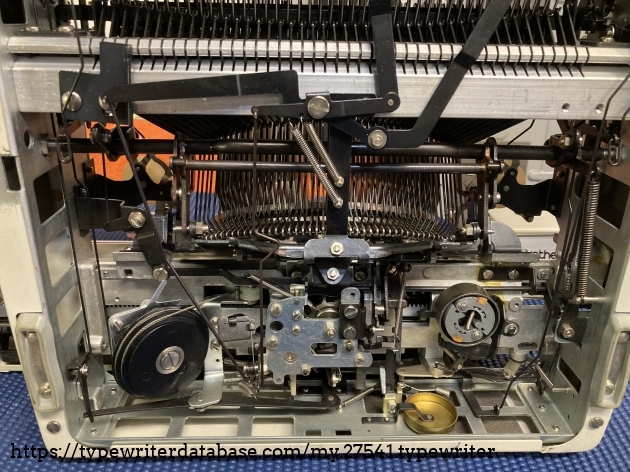
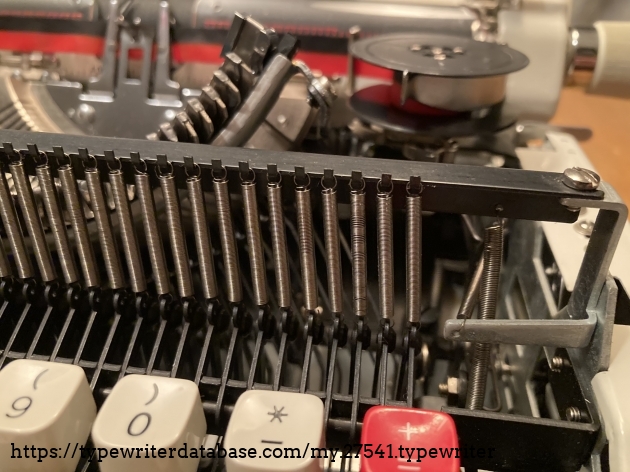
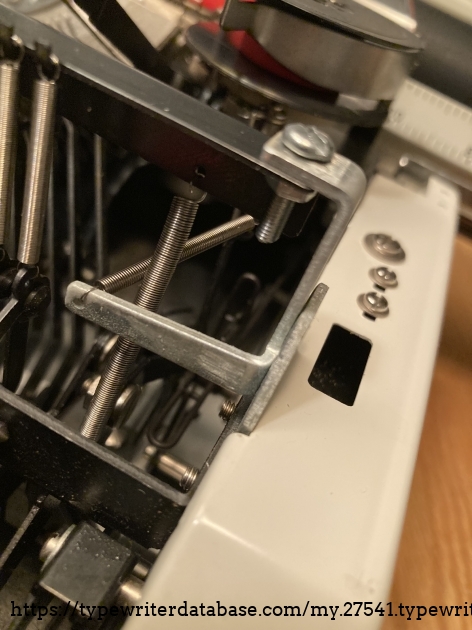
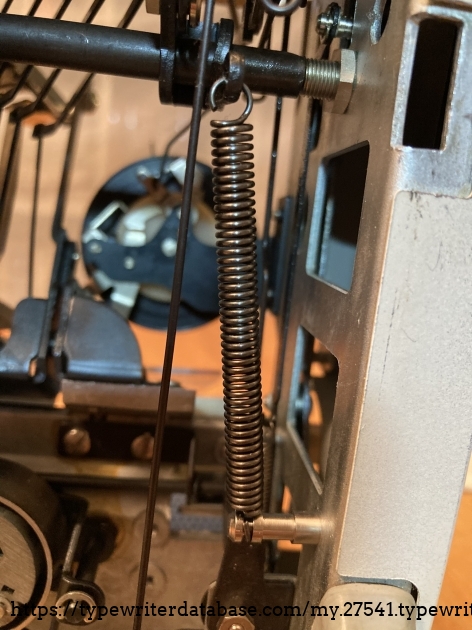
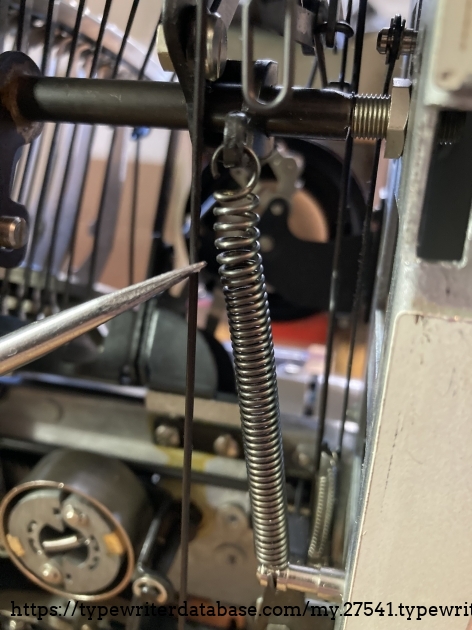
However, the big issue is the typebar action. I lowered the spring rack by moving it to the other side of its mount—a fairly easy project with longer screws and nuts to hold the rack in place. The effective drop is 2.4mm.
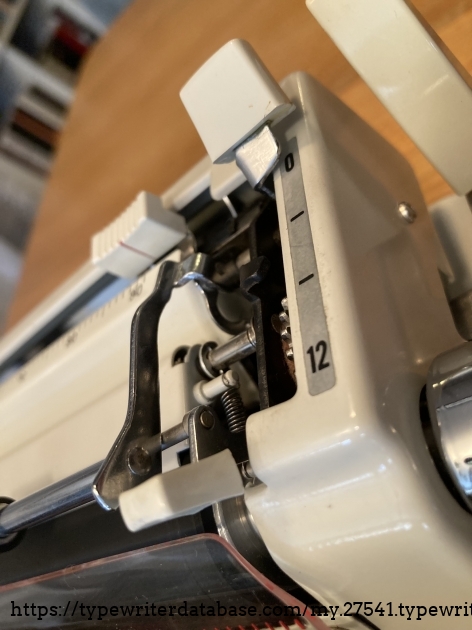
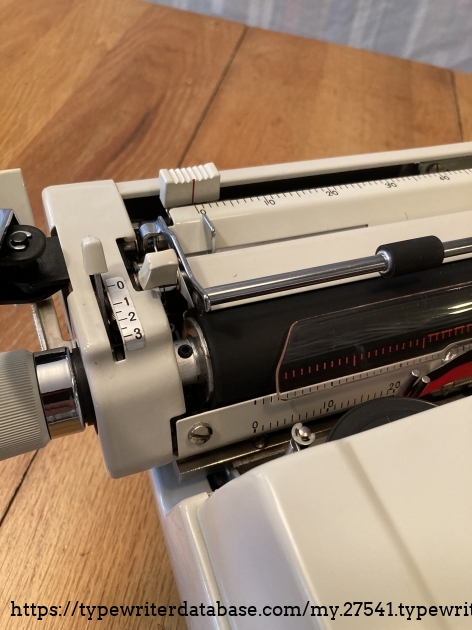
Did it work? It is definitely an improvement. So much so, I did it on the MW 510 as well. The springs now have 2.4 mm less preload on them. The inspiration for this was by looking at how a Royal standard key tension is set by drawing those springs tighter. This bar drop also lessens the backspace pressure. As well, the carriage tension is dialed down. With the shift key pressure lowered, the overall combination makes for a much 'lighter' machine. I am setting the key tension around 40-60% to still get a fairly good typebar return for fast typing. You could go to the low setting and slow down for a very light action.
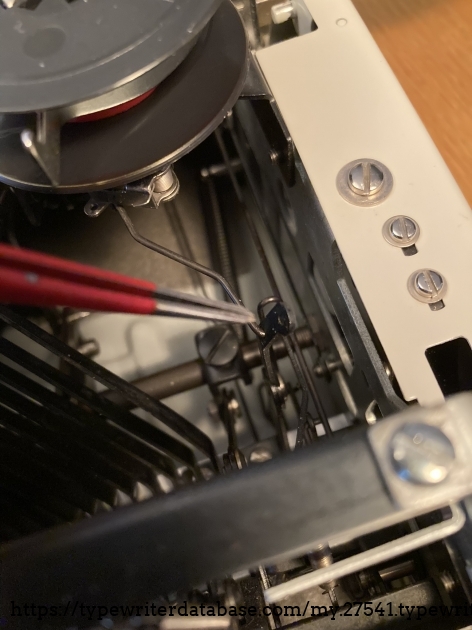
I think a lighter ribbon vibrator return spring could offer some additional benefit. I would add that there are a lot of pivot points involved here, and you need to make sure each one is thoroughly cleaned with some lacquer thinner first.
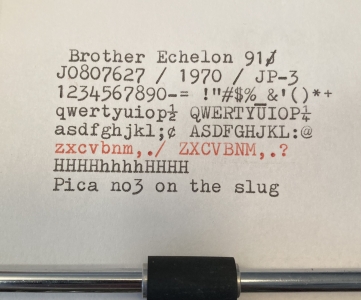
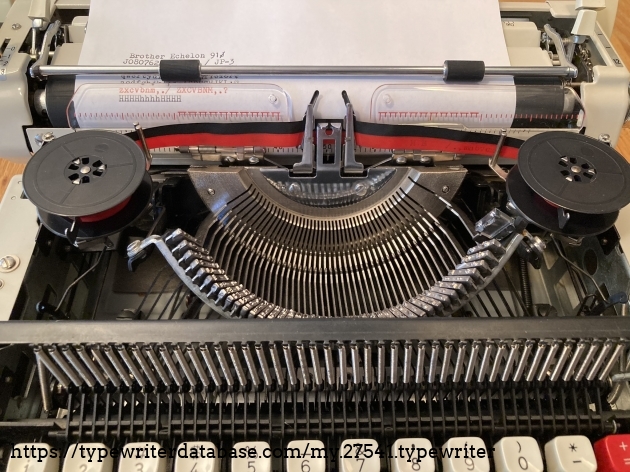
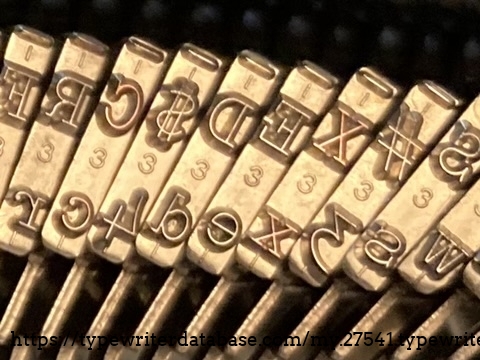
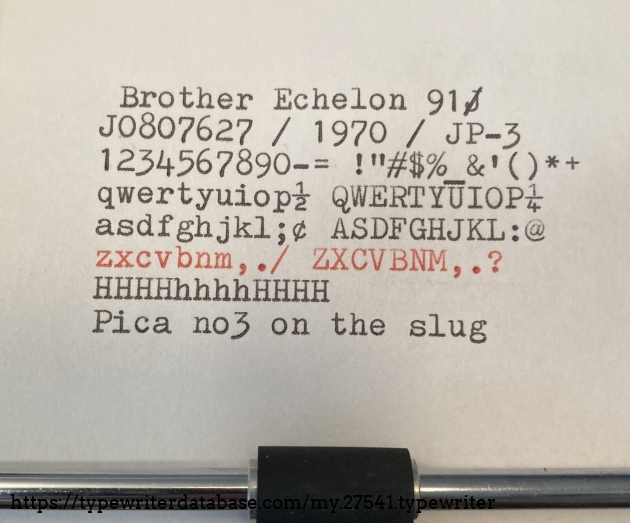
Typeface Specimen:
Links:
- 088
- De luxe - two words - 900
- 91 Gallery
- 91 Gallery
- Opus 91
- 510s
- 510Ds
- 511Ds
- manual
- my 510D
- JP-3 no model name wide carriage
- De Luxe 897
- 74 Prestige 720
- pro line 715
- Echelon 99
- 89
- 77
- 800T
- 55
- my 905
Photos:
Hunter: James Grooms (jgrooms)
James Grooms's Typewriter Galleries [ My Collection ] [ My Sightings ]

Status: Typewriter Hunter
Points: 28319
Typewriters are the perfect blend of using one's technical skills, history and functional purpose. My goal is type tested machines. My interests are not isolated to any one area. For example, I am a big fan of Smith Corona electrics, mid century electrics and all things Royal.
RESEARCH NOTE: When researching the Brother Echelon 91 on a computer with lots of screen real estate, you may find that launching the Brother Serial Number page and the Brother Echelon 91 By Model/Year/Serial page in new browser windows can give you interesting perspectives on changes throughout the model series.