


198X Olivetti Lettera 62 #C538507
Status: My Collection
Hunter: Francesco Menara (francescomenara)
Created: 09-01-2026 at 05:08PM
Last Edit: 09-01-2026 at 05:12PM
 Find on Ebay #AD
 Find on Etsy #AD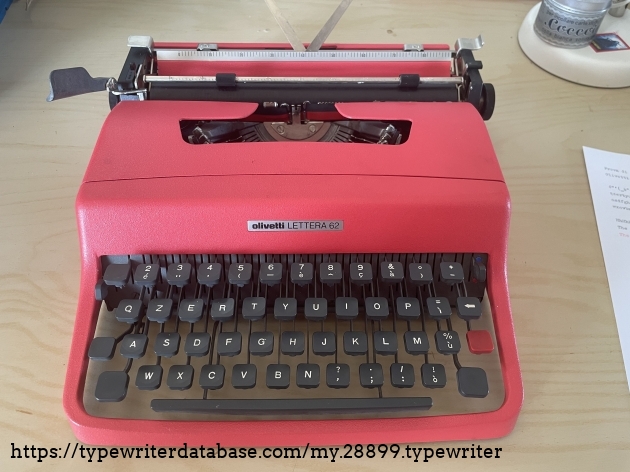
Description:
*DESCRIZIONE IN ITALIANO IN BASSO*
In 1988, following the fallout with AT&T and a series of other events of various kinds, Olivetti was in the throes of the crisis that would eventually reduce it to what it is today: barely a holding company. The personal computer market was faltering, crushed by growing competition from the Far East. After years of triumphs and breakthroughs—from the P101 to the M24—ironically, the very office products that had brought so much prosperity and liquidity into the company’s coffers back in the 1950s and ’60s were once again keeping it afloat.
High-end professional electronic typewriters (such as the ETV series) were the first to be replaced by computers, followed gradually by lower-tier models, leaving “home” electronics (such as the ET Personal line) for last—and, bizarrely enough, the small manual portables: cheap, reliable, costing a fraction of a computer or printer, and still making a handful of students happy.
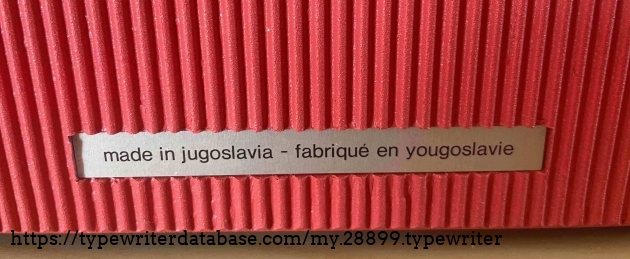
Competition, alas, was cutthroat here as well, and the goal was to shave every possible lira off manufacturing costs. And succeed they did: they relocated manual portable production from Spanish and Mexican plants to Yugoslavia, wringing every conceivable economy of scale out of machines mechanically derived from the 1963 Lettera 32—a model that had been quite pricey and refined in its day, even if not quite up to the standard of the preceding Lettera 22. It is like putting a Mercedes W124 back into production and expecting it to be dirt-cheap!
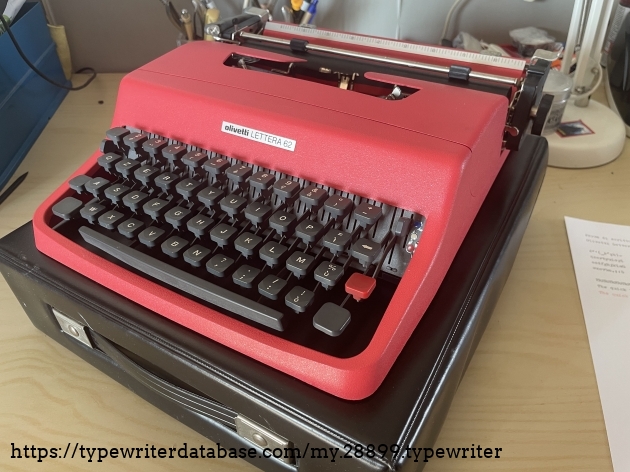
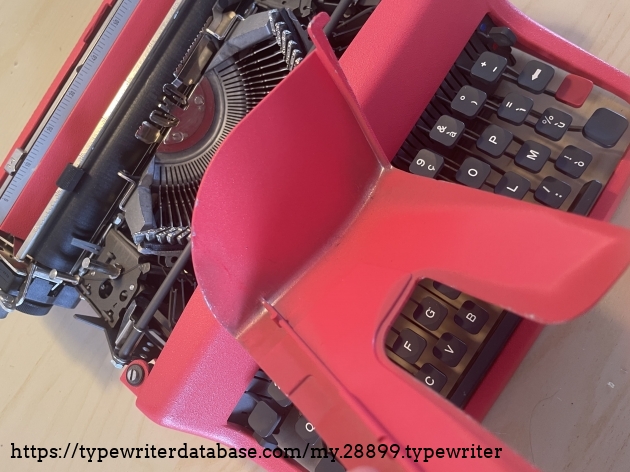
The company took this opportunity to refresh the lineup as best it could, given that every lira sunk into models on borrowed time was money down the drain. The only genuinely new model was the (aesthetically questionable) Lettera 92, which replaced the Lettera 35/35i—perhaps the ones that aged worst out of the entire lineup. Alongside it came the Class, yet another machine reusing the boxy bodywork designed by Ettore Sottsass for the Dora many years earlier, and the Lettera 62, which was nothing more than a third-series Lettera 32 built on an even tighter shoestring budget. In addition to their mechanical underpinnings, they all shared one thing: red paint. It reminds me of a Citroën 2CV advert that went along the lines of: “We couldn’t make it bigger, we couldn’t make it faster, we couldn’t make it lighter, so we painted it.” It’s the exact same principle.
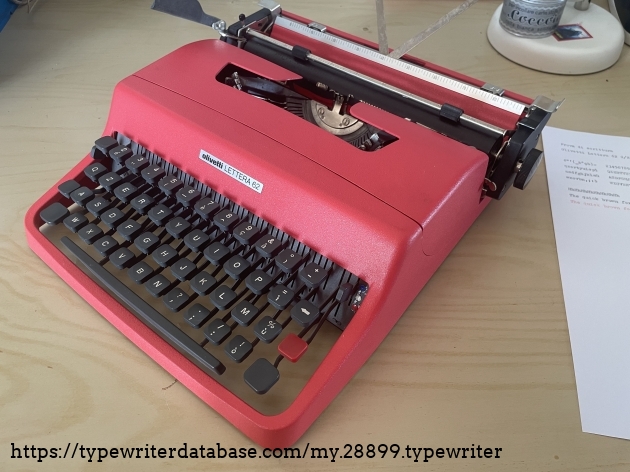
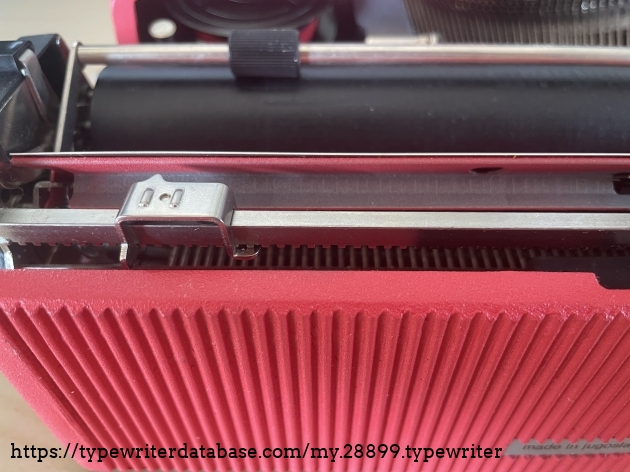
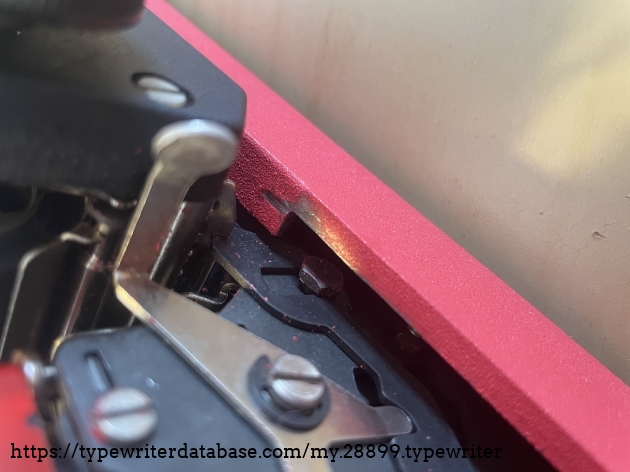
For anyone who has ever taken apart a first-series Lettera 32, the drop in build quality is immediately noticeable. Cheap steel, sheet metal you can bend with your bare fingers, a sea of plastic components (the return lever, the carriage end caps, even the bottom plate): not a single part is made to the same standards of reliability and durability. The powder coating is dreadful—it flakes off and gets everywhere, and on many hidden parts you can see the bare metal peeking through.
Then again, while an original Lettera 32 once cost half a month's pay, the Lettera 62 went for around 150,000 lire at a time when average salaries sat between 900,000 and 1,300,000 lire a month—roughly equivalent to €200 today. I say "roughly" because by then these machines were no longer sold through official Olivetti stores or by direct mail-order from Ivrea; you found them in appliance stores, stationery shops, and supermarkets.
So why on earth did I buy one, you might ask? It actually took quite a bit of effort to track down: online listings ask substantial sums for them, often higher than for standard Lettera 32s. And no, it’s not because of the color—I already had a red 32.
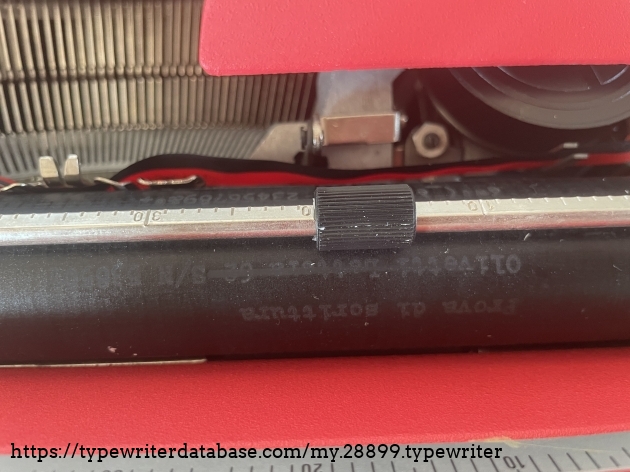
First off, because it’s in mint condition. Cheap machines like this were never treated as long-term investments. They were bought by students who replaced them with their first PC a few years later and shoved them into a corner. As a result, despite their abysmal build quality, these typewriters are mostly as good as new, with a platen that is still very soft, making them surprisingly pleasant and quiet to type on compared to older, more celebrated models.
The second reason is that I have a soft spot for the Lettera 32 as a design. Having a very early first-series in my collection—serial number 4312, which I’ll be posting soon—I loved the idea of owning both the "alpha and omega" of this machine's production run: a model that reached 12 million units over roughly 35 years, with the final examples rolling off factory lines in the late 1990s. Now I have it. I wanted this model for years, and now I can set two typewriters side by side on the same desk: one born with the construction of the Berlin Wall, and one with its fall. And to anyone who doesn’t know what to look for, mechanically and aesthetically, they look completely identical.
*IT*
Nel 1988, dopo la rottura con AT&T e una serie di altri avvenimenti di vario genere, Olivetti è nel pieno della crisi che la porterà ad essere ciò che è oggi, a malapena una sorta di holding. Il mercato dei personal computer vacilla, schiacciato dalla crescente concorrenza orientale; dopo anni di successi e conquiste, dalla P101 all’M24, a tenere in piedi l’azienda tornano ad essere, ironia della sorte, quei prodotti da ufficio che negli anni ’50 e ’60 avevano portato tanta fortuna e tanta liquidità nelle casse.
A finire rimpiazzate per prime dai computer furono le macchine elettroniche professionali di fascia alta (come la serie ETV), poi via via verso il basso, lasciando per ultime le elettroniche “domestiche” (come le ET personal) e, per assurdo, le piccole portatili manuali, economiche e affidabili. Costavano una frazione rispetto a un computer o a una stampante e facevano ancora la felicità di qualche studente.
La concorrenza, ahimé, è sempre spietata anche qui e l’obiettivo è tagliare ogni lira possibile dai costi di produzione. Ci riescono: trasferiscono la produzione delle portatili meccaniche dagli stabilimenti spagnoli e messicani alla Jugoslavia, facendo ogni sorta di economie di scala possibili e immaginabili su macchine meccanicamente derivate dalla Lettera 32 del 1963; una macchina allora molto costosa e raffinata, anche se non al livello della precedente Lettera 22. È come rimettere in produzione una Mercedes W124 e pretendere che costi poco!
Con l’occasione la Casa rinnova la gamma come può, dato che ogni lira spesa su modelli che hanno i giorni contati è un pessimo investimento. L’unico nuovo modello è la (esteticamente discutibile) Lettera 92, che sostituisce le Lettera 35/35i, quelle forse invecchiate peggio di tutta la gamma; ad essa si affiancano la Class, ennesima macchina con la carrozzeria squadrata disegnata da Ettore Sottsass per la Dora tanti anni prima, e la Lettera 62, che invece è nient’altro che una Lettera 32 terza serie, ma realizzata ancora più in economia. Per tutte oltre alla meccanica, una cosa in comune: il colore rosso. Mi viene in mente una pubblicità della Citroen 2CV che recitava più o meno: “non potevamo farla più grande, non potevamo farla più veloce, non potevamo farla più leggera, quindi l’abbiamo dipinta”: è lo stesso principio.
Per chiunque abbia smontato una Lettera 32 prima serie, la differenza dal punto di vista qualitativo è palpabile. Acciai economici, lamiere che si piegano con le dita, moltissime parti di plastica (leva, fianchetti carrello, persino il fondo): non c’è un pezzo che sia realizzato con le stesse caratteristiche di affidabilità e durata. La verniciatura a polvere è di qualità pessima, si sfarina e finisce ovunque, su molte parti non a vista si intravede il metallo sottostante.
D’altronde, se una Lettera 32 veniva a costare mezzo stipendio, la Lettera 62 veniva circa 150.000 lire a fronte di stipendi di 900.000-1.300.000 lire al mese: all’incirca quindi 200 euro attuali. Dico circa, perché ormai queste macchine non si vendevano più negli “store” ufficiali Olivetti, o per corrispondenza direttamente da Ivrea: si trovavano nei negozi di elettrodomestici, nelle cartolerie, nei supermercati.
E allora, direte voi, come mai l’hai comprata? Ho anche fatto parecchia fatica a trovarne una: si trovano vendute sui siti a cifre non indifferenti, superiori a quelle delle Lettera 32. E no, non è per il colore, perché una 32 rossa già l’avevo.
Innanzitutto perché è nuova. Macchine del genere, economiche, non erano viste come un investimento. Venivano comprate da qualche studente che pochi anni dopo le avrebbe rimpiazzate col suo primo computer e lasciate in un angolino. Questo fa sì che nonostante la loro pessima qualità generale si tratti di macchine perlopiù nuove, con un rullo ancora molto tenero, risultando piacevoli e silenziose all’uso rispetto a modelli più vecchi e blasonati.
Il secondo motivo è che mi piace particolarmente la Lettera 32 come modello e, avendo in collezione una primissima serie con matricola 4312 che caricherò presto, mi faceva piacere avere “l’alfa e l’omega” della produzione di questa fortunata macchina, che ammonta a 12 milioni di esemplari in circa 35 anni, con gli ultimi esemplari usciti dalle fabbriche alla fine degli anni Novanta. Ora ce l’ho, ho desiderato per tanti anni questo modello e ora posso mettere sulla stessa scrivania una macchina per scrivere nata con la costruzione del muro di Berlino e una con il suo crollo; e dal punto di vista estetico e tecnico sono, almeno per chi non se ne intende, assolutamente identiche.
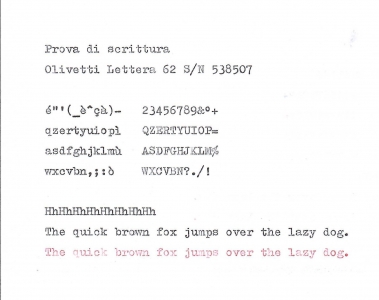
Typeface Specimen:
Photos:
Hunter: Francesco Menara (francescomenara)
Francesco Menara's Typewriter Galleries [ My Collection ] [ My Sightings ]

Status: Typewriter Hunter
Points: 231
Bologna. Italy, 24 yo.
Mechanical engineer.
Typewriter user since 2015.
I'm not a collector. They follow me and moltiplicate.
Sometimes they even come out from the rubbish bin. And ask for adoption.
RESEARCH NOTE: When researching the Olivetti Lettera 62 on a computer with lots of screen real estate, you may find that launching the Olivetti Serial Number page and the Olivetti Lettera 62 By Model/Year/Serial page in new browser windows can give you interesting perspectives on changes throughout the model series.