




1066 Brands 3395 Models 24771 Galleries 15673 Typefaces 6273 Patents
Home » Erika » 15 » 1965 #3068314
1965 Erika 15 Serial # 3068314 1965 Erika 15 typewriter, Serial # 3068314 Brancaleone daNorcia's 1965 Erika 15 typewriter. 2026-05-05 From the Virtual Typewriter Collection of Brancaleone daNorcia: 1965 Erika 15 Serial # 3068314 Erika Mod. 15
Serial No. 3.068.314
Manufactured in 1965
by VEB Schreibmaschinenwerk Dresden, German Democratic Republic (Eastern Germany)

Perl 2,25mm typeface
24cm carriage
German Keyboard layout

This is the latest variant of the similar construction which started with Mod. 9, continued with Mod. 11 and Mod. 12 and, in the year of 1963, concluded with Mod. 15 finally.

The Erika Mod. 15 is, in my opinion, a thoroughly underrated and underestimated model. Some take it merely as a cheap plastic variant of the Mod. 12, but: please keep in mind that the Berlin Wall had been built on August, 13th, 1961, and purchasing raw materials for the typewriter production went quite more difficult for the GDR administration after this. The production costs for materially expensive high-quality models such as Mod. 10 or Mod. 12 are likely to have increased significantly, while at the same time the financial resources of the population remained constant. Furthermore, the decision to halt the production of the most expensive model, the segment-shifted Mod. 20, had already been made two years before change from Mod. 12 to Mod. 15.

At the same time, however, the Mod. 15 - as well as its more richly equipped sister, the Mod. 14 - marked the end of the distinct 1950s post-war design and architecture era. For the first time, capable industrial designers demonstrated that everyday objects made from comparatively inexpensive materials could be incorporated into pleasing forms that reflected the new zeitgeist of technological progress. The design of Mod. 15 and Mod. 14 was the trailblazer for Mod. 30 and Mod. 40.

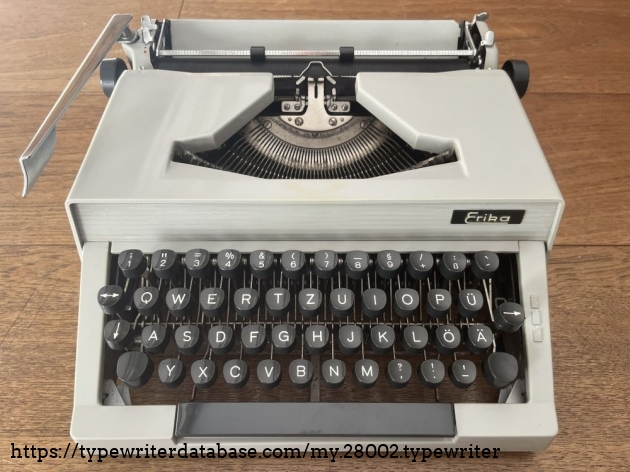
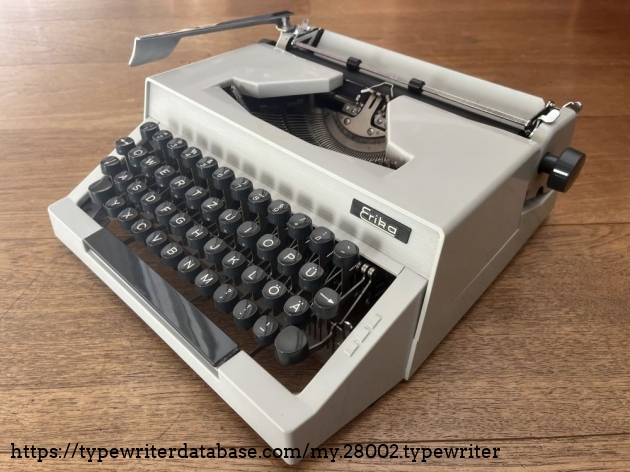
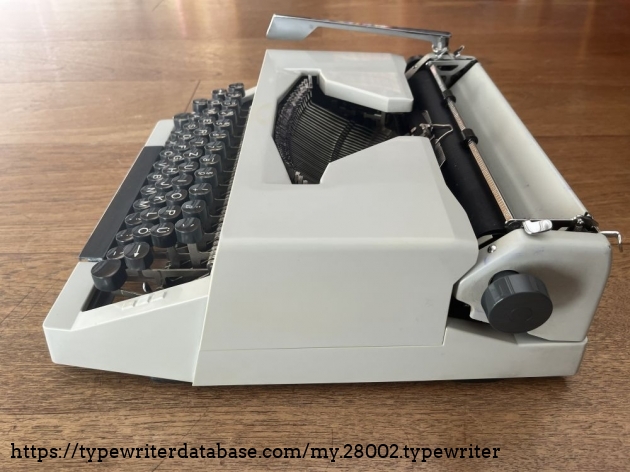
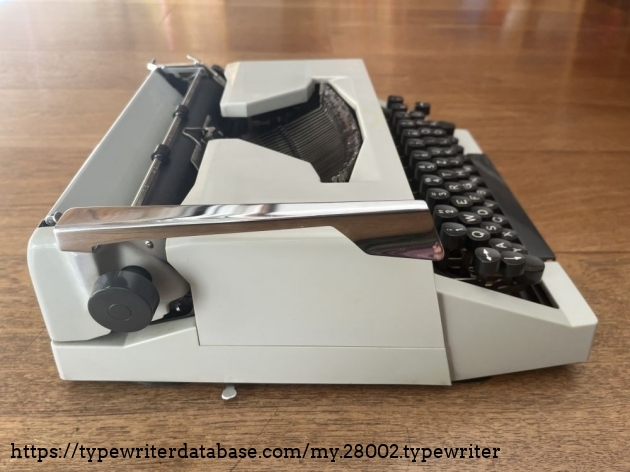
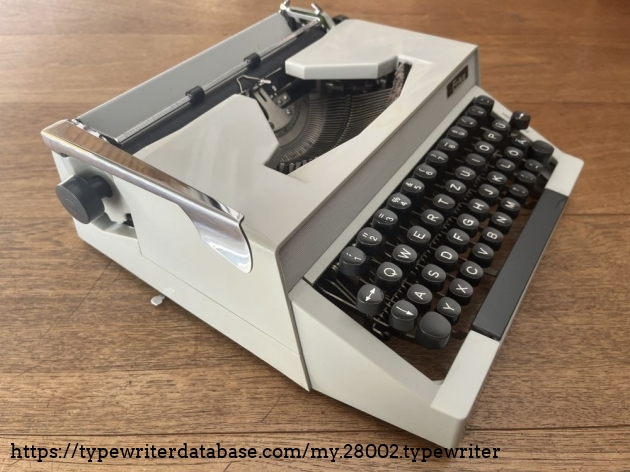
In my assessment, the two-tone versions of Mod. 15 and Mod. 14 may be a bit more popular among collectors. But I deliberately chose a single-tone example because I think that — especially when viewed directly from the side — the very modern industrial design from 1963, with its clear separation of keyboard area, body, and lid, is even more striking. The Erika's direct ideological competitor at the time, the Olympia SM 7, was far less daring in this regard.

1965 Erika 15 #3068314

Status: My Collection
Hunter: Brancaleone daNorcia (Brancaleone)
Created: 05-05-2026 at 04:28PM
Last Edit: 05-05-2026 at 05:13PM


Description:

Erika Mod. 15
Serial No. 3.068.314
Manufactured in 1965
by VEB Schreibmaschinenwerk Dresden, German Democratic Republic (Eastern Germany)

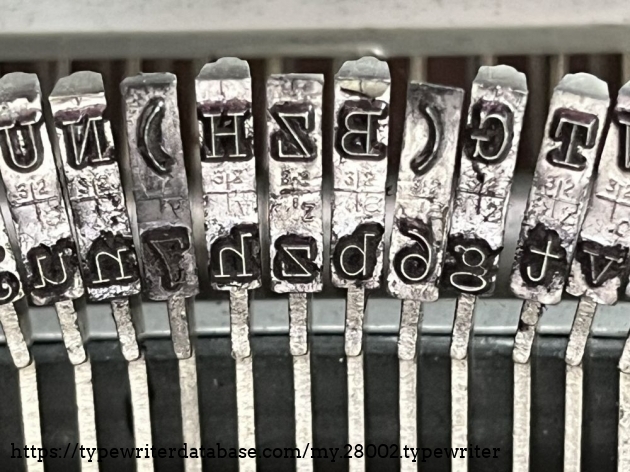
Perl 2,25mm typeface
24cm carriage
German Keyboard layout

This is the latest variant of the similar construction which started with Mod. 9, continued with Mod. 11 and Mod. 12 and, in the year of 1963, concluded with Mod. 15 finally.

The Erika Mod. 15 is, in my opinion, a thoroughly underrated and underestimated model. Some take it merely as a cheap plastic variant of the Mod. 12, but: please keep in mind that the Berlin Wall had been built on August, 13th, 1961, and purchasing raw materials for the typewriter production went quite more difficult for the GDR administration after this. The production costs for materially expensive high-quality models such as Mod. 10 or Mod. 12 are likely to have increased significantly, while at the same time the financial resources of the population remained constant. Furthermore, the decision to halt the production of the most expensive model, the segment-shifted Mod. 20, had already been made two years before change from Mod. 12 to Mod. 15.

At the same time, however, the Mod. 15 - as well as its more richly equipped sister, the Mod. 14 - marked the end of the distinct 1950s post-war design and architecture era. For the first time, capable industrial designers demonstrated that everyday objects made from comparatively inexpensive materials could be incorporated into pleasing forms that reflected the new zeitgeist of technological progress. The design of Mod. 15 and Mod. 14 was the trailblazer for Mod. 30 and Mod. 40.

In my assessment, the two-tone versions of Mod. 15 and Mod. 14 may be a bit more popular among collectors. But I deliberately chose a single-tone example because I think that — especially when viewed directly from the side — the very modern industrial design from 1963, with its clear separation of keyboard area, body, and lid, is even more striking. The Erika's direct ideological competitor at the time, the Olympia SM 7, was far less daring in this regard.

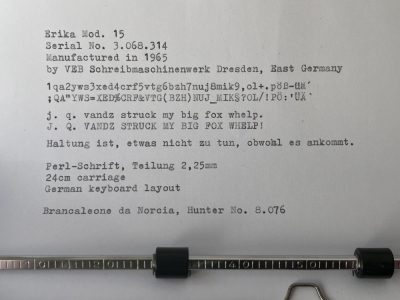
Typeface Specimen:
Photos:
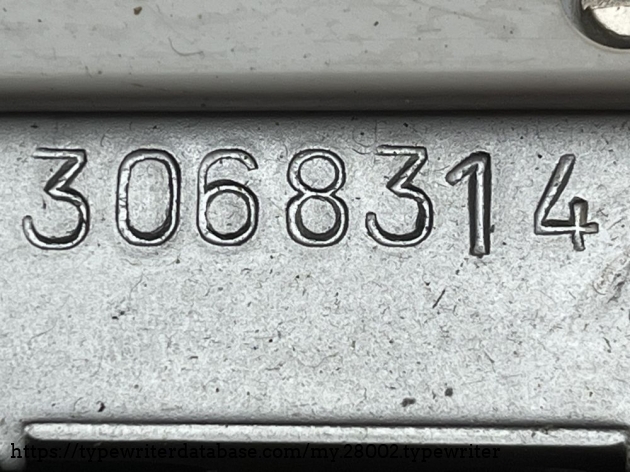
Detail: serial no. 3.068.314

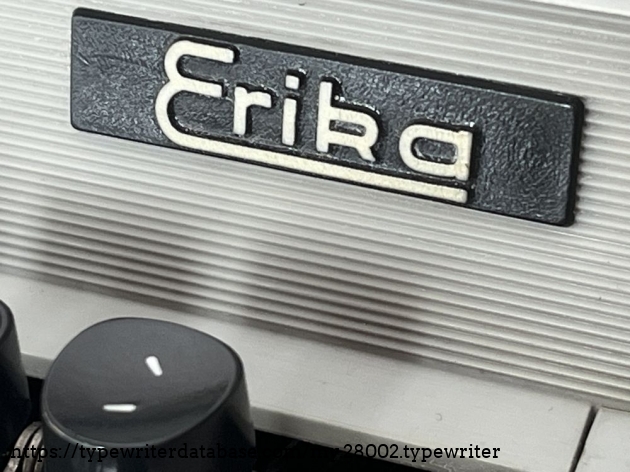
Detail: model plate, ever corresponding to keytop color

View: front right
View: front right

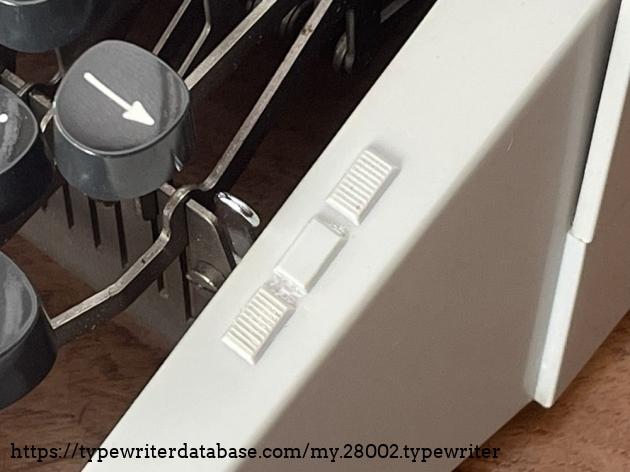
Detail: ribbon colour selector, lower position for black, center position for stencil, upper position for red.

View: right (her "Schokoladenseite", as I think)

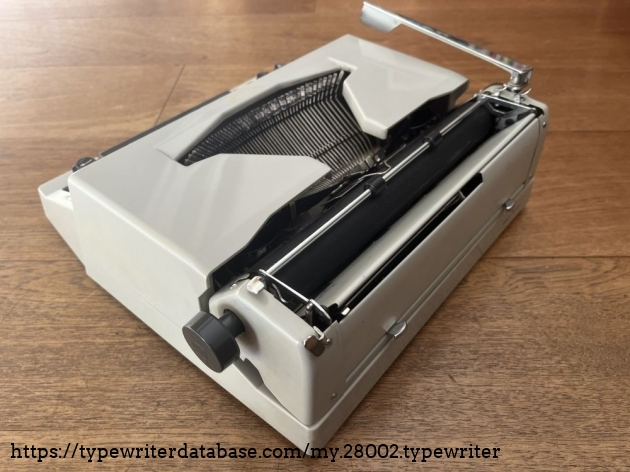
Detail: the well-known and widely unchanged carriage construction from Mod. 9, Mod. 11 and Mod. 12, finally adopted to the Mod. 15-design

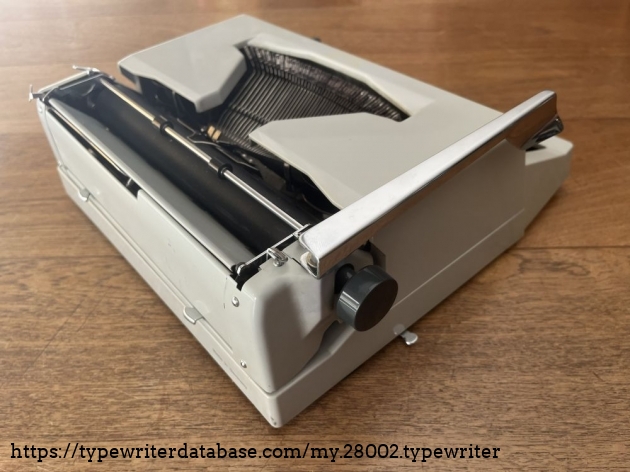
View: rear right
View: rear right

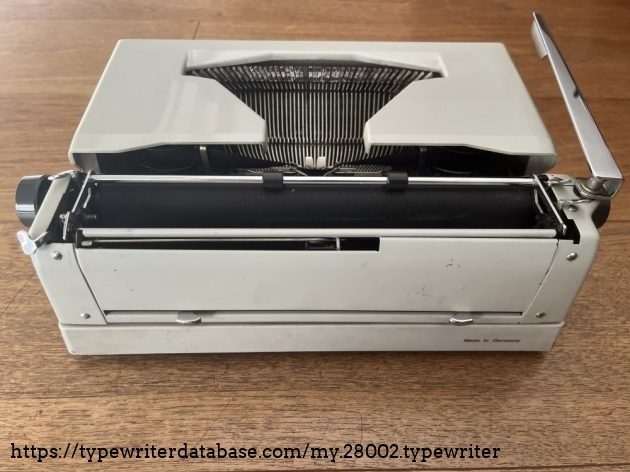
View: rear
View: rear

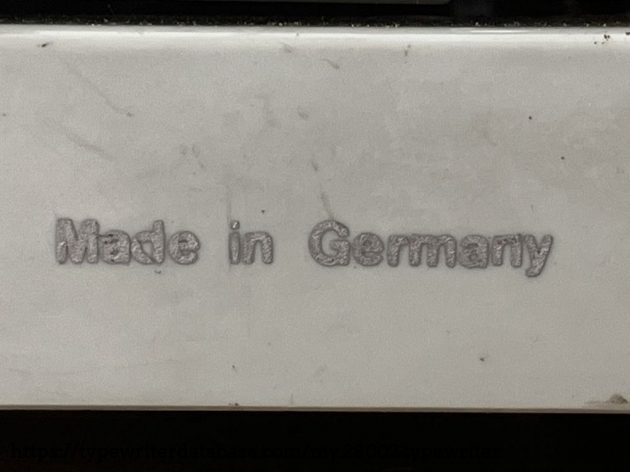
Detail: country of manufacture decal; "Made in Germany" here means: Made in GDR (Eastern Germany). This is the only decal on the rear side; there is no "Mod. 15" decal.

View: rear left
View: rear left

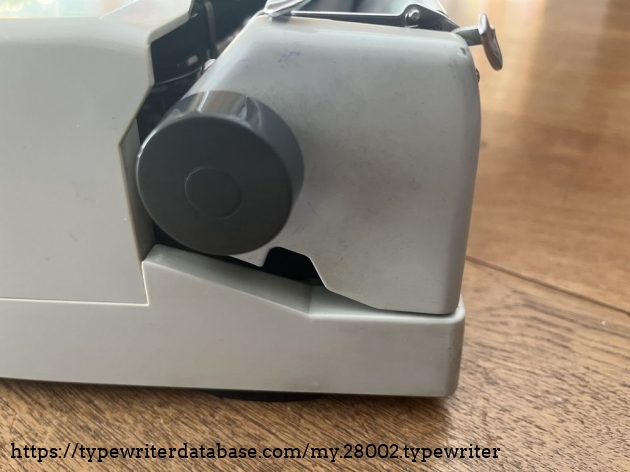
Detail: cutout with plastic structure

View: left
View: left

View: front left
View: front left

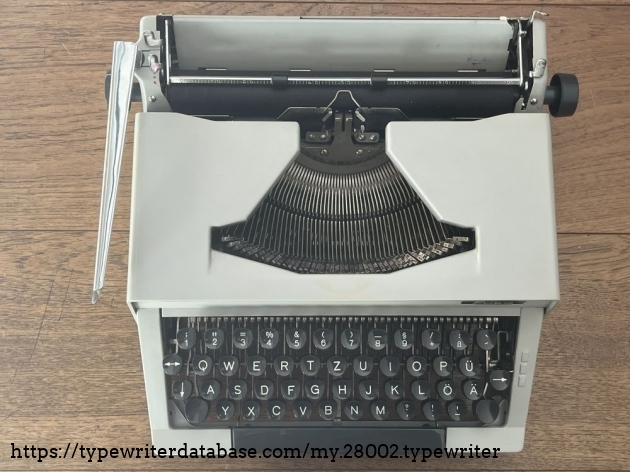
View: top
View: top

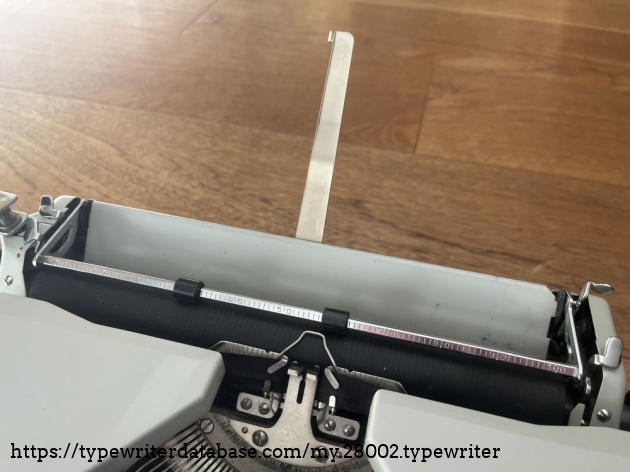
Detail: paper support

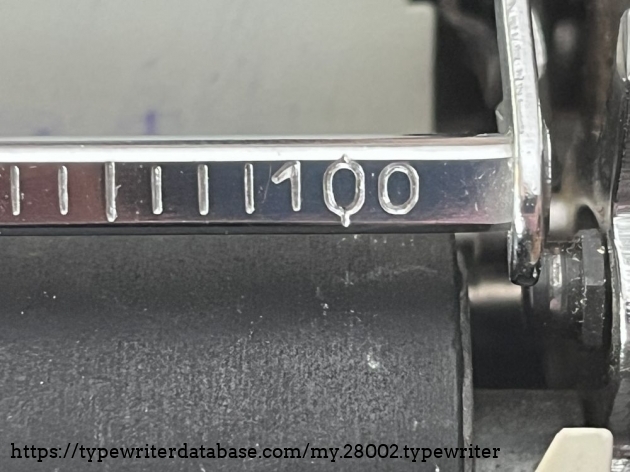
Detail: paper bail; pos. 100 corresponds to the width of the "Perl" typeface

Detail: open lid
Detail: open lid

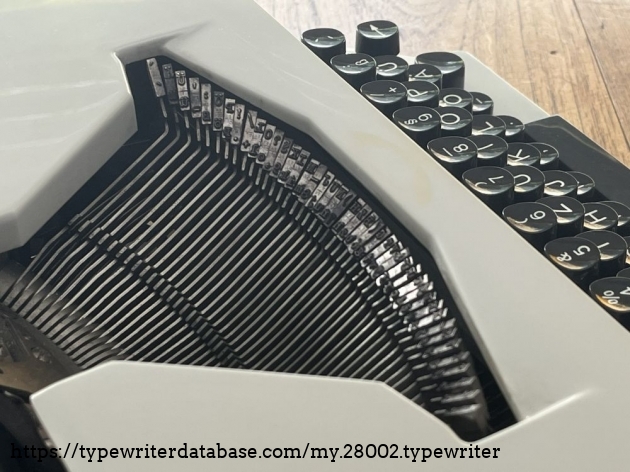
Detail: type slugs, Perl 2,25mm

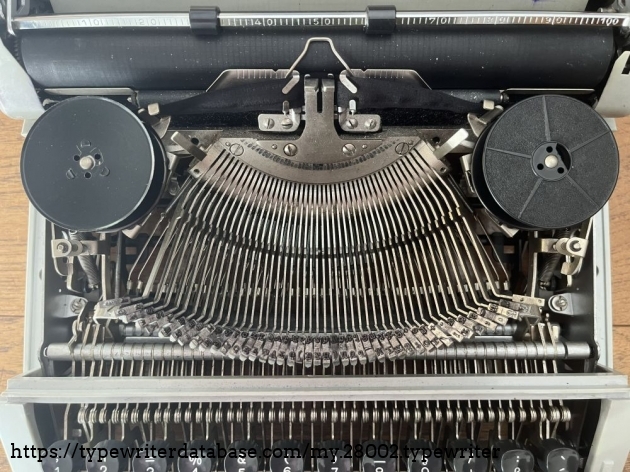
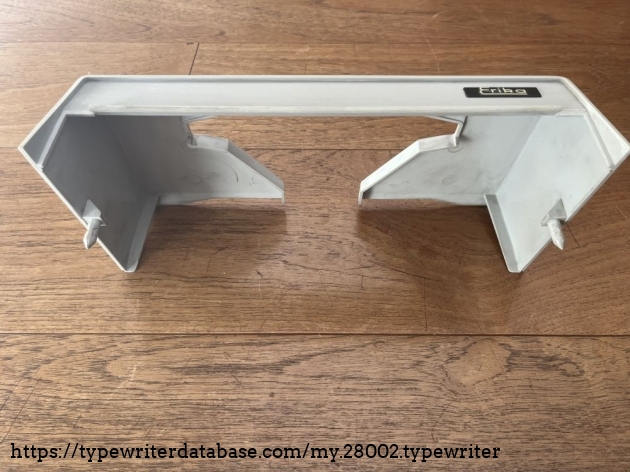
Detail: ribbon cover, front

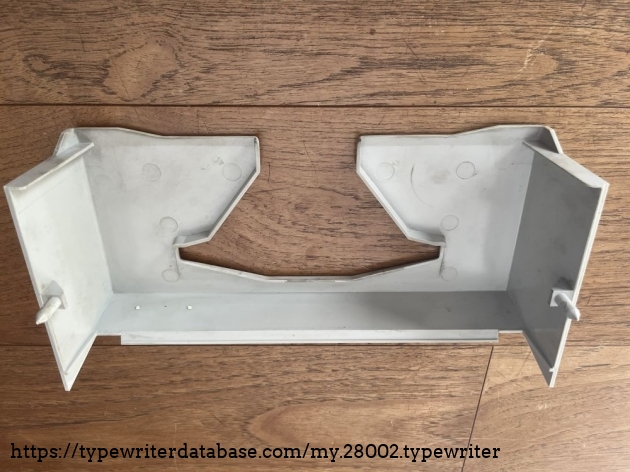
Detail: ribbon cover, back

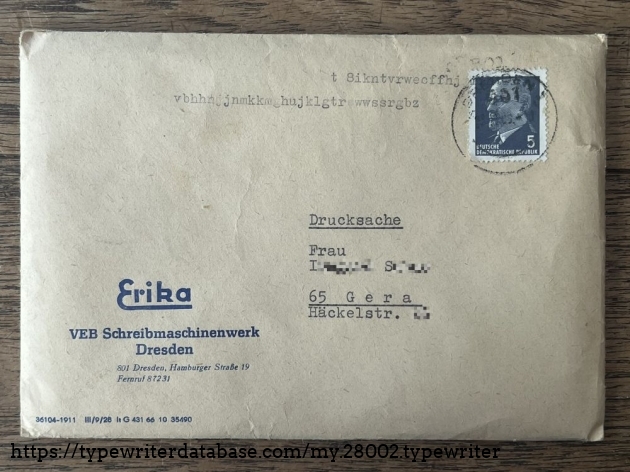
Detail: Letter from the Erika factory to the first owner

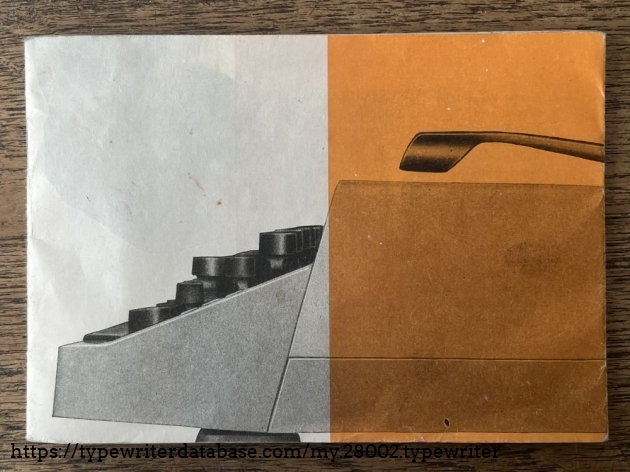
Detail: user manual, front

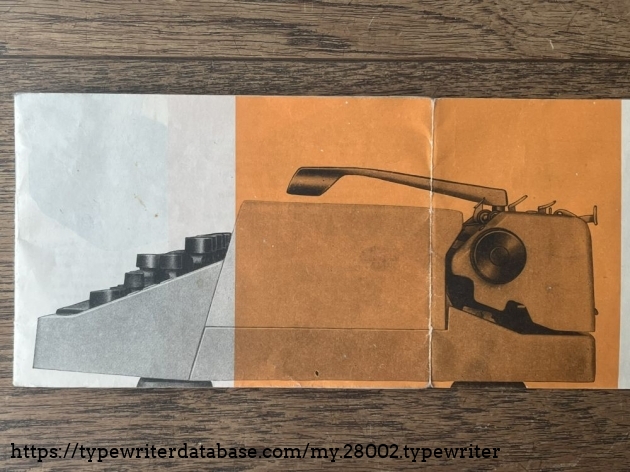
Detail: user manual, unfold

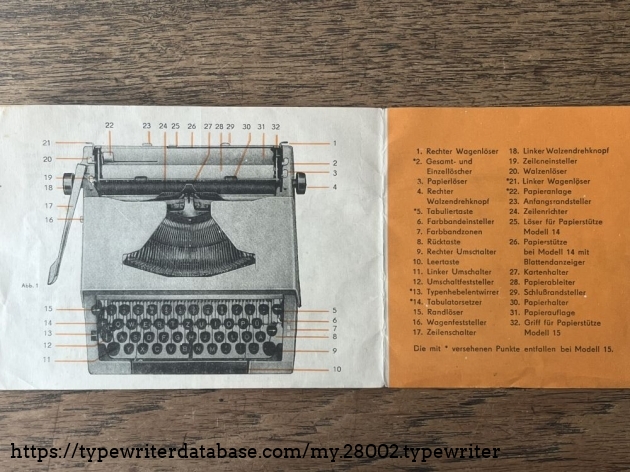
Detail: user manual, overview for Mod. 14 and Mod. 15

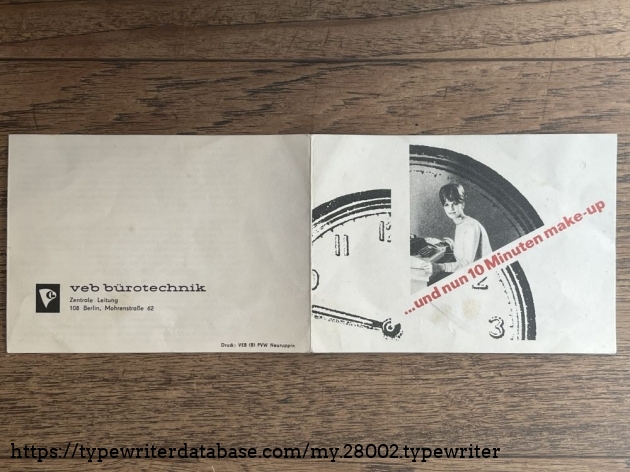
Detail: care tips ("...and now 10 minutes make-up")

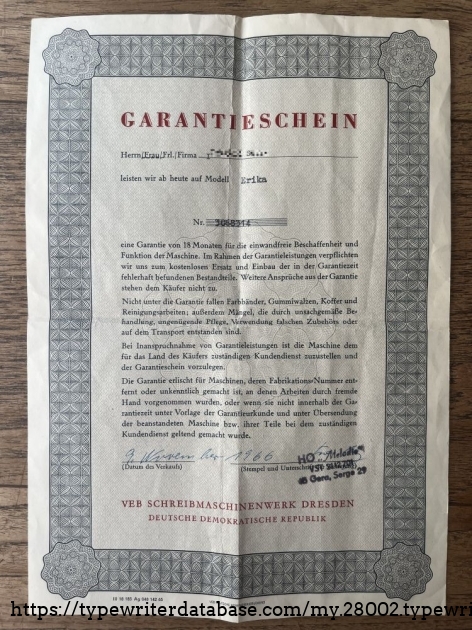
Detail: quality certificate with date of purchase: November, 9th, 1966. Remarkable. 23 years later, at the point, the Berlin Wall fell down.

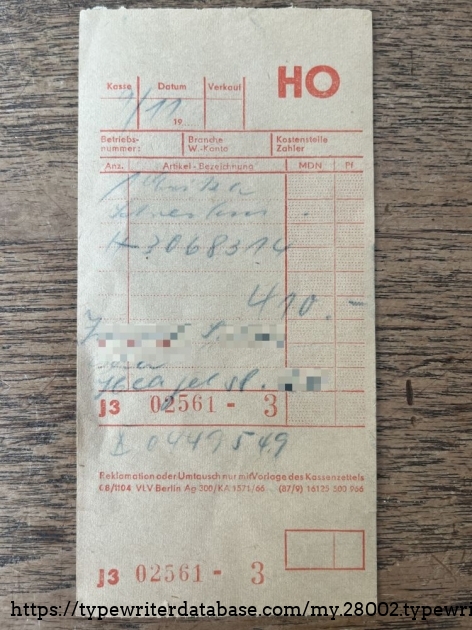
Detail: proof of purchase; the abbreviation "MDN" stands for "Mark der Deutschen Notenbank", which was the official currency name in the so-called GDR from August 1st, 1964 to December 31st, 1967.

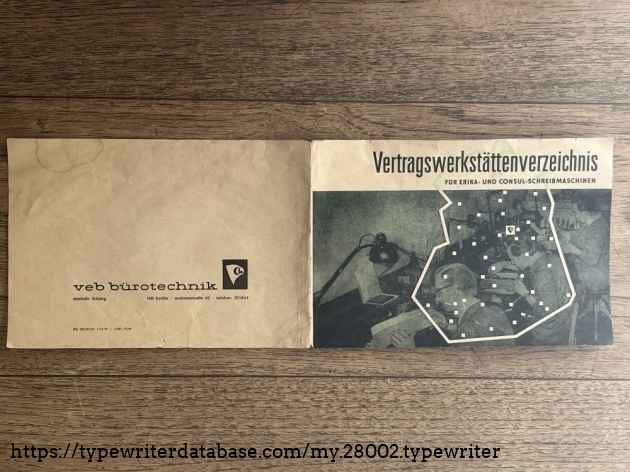
Detail: workshop directory

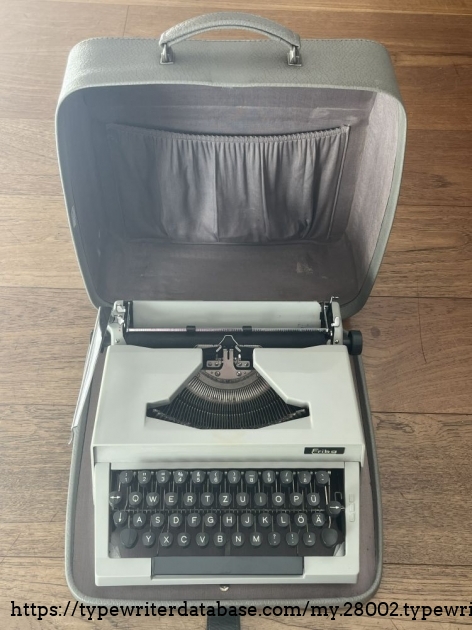
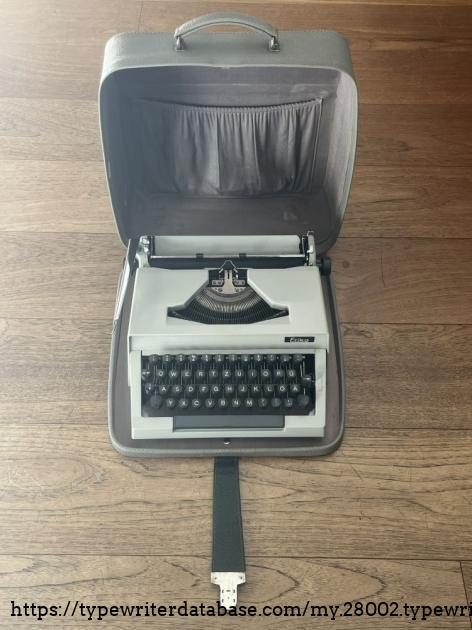
View: typewriter in case, detail

View: typewriter in case, overview

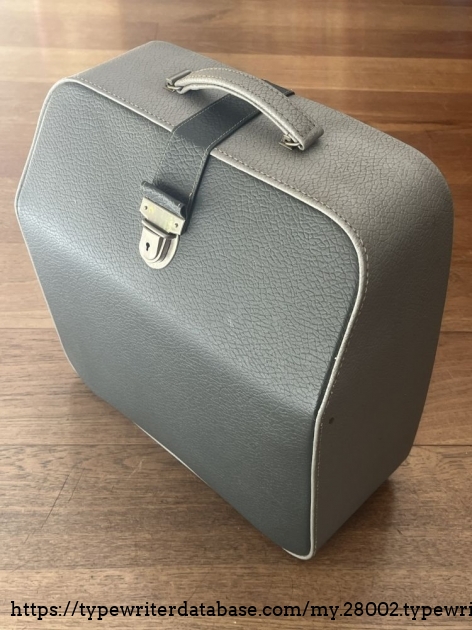
Detail: case, top side

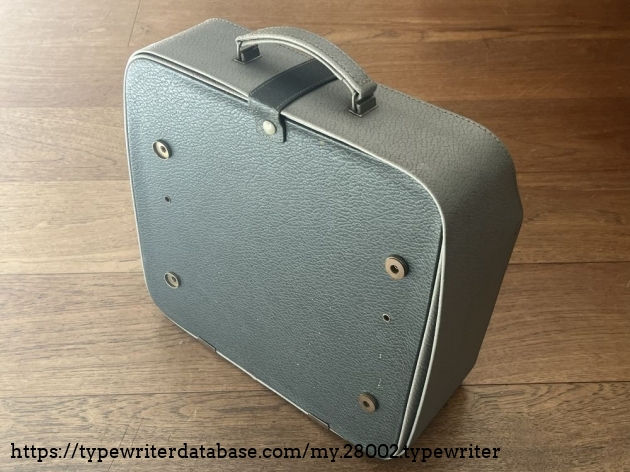
Detail: case, bottom side

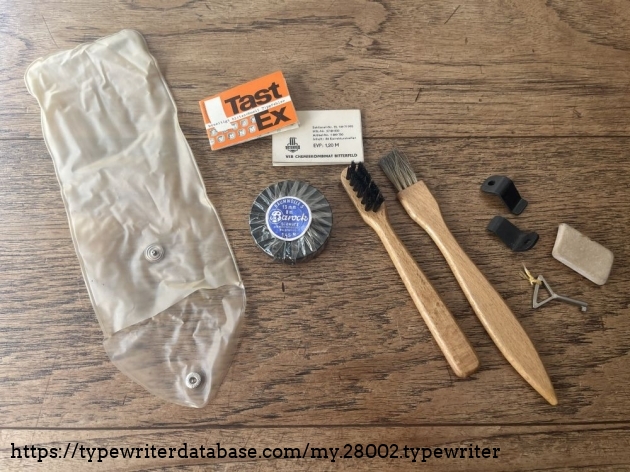
Detail: cleaning supplies, the case key, a rubber gum, a still unfoiled ribbon spool, two booklets of "Tast Ex", the socialist equivalent to Tipp Ex. And, at last, two metal parts whose purpose I don't know (possibly for mounting the typewriter to the case bottom?)

Hunter: Brancaleone daNorcia (Brancaleone)

Brancaleone daNorcia's Typewriter Galleries [ My Collection ] [ My Sightings ]
Status: Typewriter Hunter
Points: 1076

Fellow typospherians, may I introduce myself? I'm Brancaleone da Norcia, Typewriter Hunter and TWDB Patron from Germany. My main focus is collecting portable machines from the 1950s to the 1970s. I particularly appreciate good industrial design and durable construction. Many Olivetti and Erika models inspire my enthusiasm. Some might find it odd that my machines are usually uncleaned in the pictures. I only have very little time for my hobby, and it's very sporadic. Personally, I enjoy taking photos and working on the database much more than handling rags and brushes. But I admire it and think it's wonderful when someone brings a sleeping gem back to life. At last, I have a particular fondness for pangrams and palindromes, and I am always happy to discover new ones. Looking forward to get in touch with you, kind regards, Brancaleone.


RESEARCH NOTE: When researching the Erika 15 on a computer with lots of screen real estate, you may find that launching the Erika Serial Number page and the Erika 15 By Model/Year/Serial page in new browser windows can give you interesting perspectives on changes throughout the model series.